A hot air balloon flight is a dream for many people. The view of vast landscapes from a height of several hundred meters attracts people of all ages. Seniors are increasingly looking for such unique experiences, and the question of hot air balloon flight safety for older people comes up very often.
Age alone is not a contraindication for a hot air balloon flight. The key factor is health status and physical fitness. Seniors in good condition, without serious chronic illnesses, can safely participate in such a flight and enjoy the views from the balloon basket.
Before any booking, an assessment of health status and a consultation with a doctor are necessary. An older person’s body reacts differently to pressure changes and physical exertion. Proper preparation and a reasonable assessment of one’s own capabilities make a hot air balloon flight a safe adventure.
Is a hot air balloon flight really safe for older people
Hot air balloon flights are among the less frequently chosen forms of air tourism, but they are enjoying growing popularity. Before a senior decides to book, they should learn the real data regarding risk and the standards that apply in the industry.
Balloon accident statistics and passenger injury risk
According to data collected by European aviation institutions, balloon accidents happen rarely. On average, fewer than 1 serious incident is recorded per 100,000 flights. For comparison, in 2022, only 5 accidents related to hot air balloon flights were registered across Europe, which accounts for less than 0.01% of all flights carried out.
The risk of injury is real, although low. The most dangerous phase of the flight is landing, especially in strong winds. Passengers can then suffer knee, hip, or spine injuries. For seniors with already weakened joints, this risk is higher than for younger people.
Nevertheless, modern hot air balloons are equipped with advanced safety systems. The level of safety has increased significantly over the last 20 years. Regular technical inspections and strict requirements for pilots effectively limit the number of incidents.
How weather conditions affect hot air balloon flight safety
Weather conditions are one of the most important safety factors in hot air balloon flights. Strong winds, sudden gusts, and an unstable atmosphere can cause a flight to be canceled. The decision is always made by a certified pilot.
Hot air balloon flights take place mainly at dawn or in the evening, when the air is calm and stable. Wind speed during the flight should not exceed 25 km/h at takeoff. For seniors, calm atmospheric conditions are especially important, because unexpected maneuvers can cause a loss of balance in the basket.
EU standards and technical inspections of balloons in Poland
The operation of balloons in Poland is subject to European Commission Regulation No. 2018/395, which establishes detailed rules regarding technical inspections of balloons. The Civil Aviation Authority oversees compliance with these regulations throughout the country.
Every balloon must undergo regular technical inspections. The following are subject to inspection: the balloon envelope, the basket, the burners, and the gas systems. The pilot must hold a valid balloon pilot license in accordance with the requirements of European aviation law.
Technical requirements for balloons in Poland
- Regular inspections of the balloon envelope, basket, and burner system
- Valid balloon pilot license in accordance with European Union standards
- Certificates of airworthiness issued by the Civil Aviation Authority
- Mandatory passenger and civil liability insurance
- Safety briefing before every flight
Adherence to these standards gives passengers a real guarantee that the equipment is functional and ready for flight. Choosing a company that operates in accordance with EU regulations is the foundation of a safe balloon trip.
What health contraindications exclude a senior from a balloon flight
A senior’s health assessment before a balloon flight requires attention to several key systems. An older person’s body is more sensitive to changes in atmospheric pressure and physical exertion. The conditions listed below require an individual consultation with a doctor or directly exclude participation in a flight.
Cardiovascular diseases and hypertension as main limitations
Cardiovascular diseases are among the most common medical contraindications for a balloon flight. The reduced partial pressure of oxygen at an altitude of several hundred meters poses an additional burden on the heart. People who have had a heart attack, have severe heart failure, or have uncontrolled arterial hypertension should not fly in a balloon.
Pharmacologically compensated hypertension does not have to mean an automatic ban. The decision belongs to the doctor, who assesses the stability of the health condition. Seniors taking multiple medications simultaneously should consult about possible interactions with exertion and pressure changes.
The flight usually lasts from 45 minutes to 1.5 hours. During this entire time, the passenger stands in the basket. For people with serious cardiac conditions, this means a risk of a sudden deterioration in health away from medical assistance.
Problems with the spine, hips, and knees versus entering the basket
A balloon basket has walls 110 to 120 centimeters high. Entering the basket requires lifting a leg and stepping over the side, which puts strain on the hip and knee joints. People after orthopedic surgeries or with serious spinal injuries may have significant difficulties with this.
The landing itself is another challenge. The basket may hit the ground with some force, which requires bending the knees and absorbing the impact. Seniors with musculoskeletal diseases should honestly assess their own mobility before making a decision about the flight.
Respiratory diseases and the impact of pressure changes on the body
Balloons fly at an altitude of 300 to 600 meters above the ground. At this altitude, atmospheric pressure is lower, and oxygen content is lower. People with chronic respiratory diseases, such as asthma or chronic obstructive pulmonary disease, may experience difficulty breathing.
The expansion of gases in body cavities is another physiological reaction to flight. It may cause discomfort for people with sinus problems or those who have recently undergone surgery. Seniors with severe asthma or limited lung capacity should exercise particular caution and must consult with a pulmonologist.
Conditions that exclude or limit balloon flight
| System |
Condition |
Recommendation |
| Circulatory system |
Uncontrolled hypertension, heart failure |
Flight prohibited, cardiology consultation |
| Respiratory system |
Severe asthma, chronic obstructive pulmonary disease |
Pulmonology consultation, individual assessment |
| Musculoskeletal system |
Serious hip, knee, or spine injuries |
Assessment of physical mobility by a doctor |
| Nervous system |
Neurological disorders, epilepsy |
Neurology consultation, individual prohibition |
| General condition |
Surgery within the last 2 months |
Absolute prohibition until full recovery |
A senior’s health status is variable. A condition that was not a problem a year ago may now require a different assessment. Regular check-ups and up-to-date knowledge of one’s own health are the foundation for safe flight planning.
When a fear of heights disqualifies a senior from participating in a flight
Fear of heights is the most common psychological contraindication to a balloon flight. A severe phobia can lead to panic, sudden movements in the basket, and a safety risk to other passengers. The pilot does not have the ability to perform a quick emergency landing during the flight.
It is worth noting that many people with a moderate fear of heights do well during a flight. A balloon flight is different from diving or climbing. The basket is stable, the movement is calm, and the view of the horizon has a calming effect. The limit lies in the severity of the anxiety.
People with a very strong phobia should forgo the flight or talk to their doctor beforehand about the possibility of pharmacological support. The decision must be well-considered, as canceling a flight at the last minute is not always possible without organizational consequences.
What medical examinations should a senior perform before a flight
No balloon company in Poland requires a passenger to present a medical certificate. The responsibility rests with the senior themselves. Performing a few basic tests before the flight is a sensible step that allows one to avoid health problems during the flight.
Blood pressure measurement, ECG examination, and basic blood tests
The first step is blood pressure measurement. A result above 180/110 mmHg at rest is a signal that the flight should be postponed. Stable blood pressure at a normal or near-normal level is a basic condition for safety.
An electrocardiogram, known as an ECG, allows for the assessment of heart function and the detection of rhythm disturbances. In seniors, atrial fibrillation or other arrhythmias may be asymptomatic on a daily basis, but they become dangerous during physical exertion. A complete blood count and a glucose level test complete the picture of overall health.
Recommended tests before a balloon flight for seniors
- Resting blood pressure measurement
- Electrocardiogram with heart rhythm assessment
- Complete blood count with differential
- Blood glucose level
- Assessment of blood oxygen saturation
The results of these tests give the doctor a reliable picture of the patient’s health status. Based on them, the doctor can provide a clear opinion on whether the flight is advisable or what precautions should be taken.
Spirometry and consultation with a primary care physician
Spirometry is a lung function test that measures the capacity and airflow in the airways. For a senior with a history of respiratory diseases, this test is particularly important before a balloon flight. It provides information about the lungs’ ability to function under conditions of slightly reduced atmospheric pressure.
A consultation with a primary care physician is the final and most important stage of health preparations. The doctor knows the patient’s medical history and can assess the risk individually. They should check the list of medications being taken and assess their impact on exercise tolerance and pressure changes.
Tip: It is best to schedule a doctor’s visit at least 2 weeks before your flight. This allows time for examinations and any necessary treatment adjustments before departure.
Hot air balloon flight with a professional ballooning company
Fulfilling the dream of a hot air balloon flight requires choosing an experienced and certified operator. Seniors who care about their own safety look for a company with documented experience, licensed pilots, and full transparency regarding flight conditions. ProBallooning specializes in organizing professional balloon flights over the Masovian region for passengers of all ages, putting safety first.
The founder of ProBallooning is a certified pilot with over eight years of experience and approximately 500 flights performed. The company holds a current air carrier certificate issued by the Civil Aviation Authority and provides insurance for every passenger during the flight. Each flight takes place only in stable weather conditions with wind speeds not exceeding 16 km/h.
Types of flights tailored to passenger needs
ProBallooning offers several flight variants, each of which allows you to fully enjoy the views without unnecessary rush. Choosing the right type of flight depends on your needs, expectations, and the number of accompanying persons.
Types of flights offered by ProBallooning:
- Scenic balloon flight — a peaceful flight in a group of up to 8 people with an aeronaut baptism ceremony and a commemorative certificate
- Private balloon flight — an intimate flight for up to 5 designated people with the option to choose the launch site
- Family balloon flight — a flight for 2 adults and up to 3 children under 18 years of age
- Engagement balloon flight — a unique flight with a discreet bouquet presentation and celebration in the air
Each flight lasts from 60 to 90 minutes in the air. The entire excursion, from setting up the balloon to the post-landing ceremony, takes from 3 to 5 hours. The passenger receives detailed instructions before takeoff and pilot supervision throughout the entire flight.
Check Professional passenger hot air balloon flights at ProBallooning
Safety and customer reviews for ProBallooning
ProBallooning pilots hold licenses in accordance with European Union Commission Regulation No. 2018/395. Equipment undergoes regular technical inspections at certified centers, and every balloon has a current certificate of airworthiness. Before each flight, the pilot analyzes the weather forecast and makes the final decision regarding the execution of the flight.
Clients with positive experiences after flights with ProBallooning emphasize the calm atmosphere, small groups, and the professional approach of the pilots. Transparency of rules and the absence of hidden fees are elements that distinguish the company from other operators.
Before making a booking decision, you can always contact specialists through the ProBallooning contact page, where assistance is provided in selecting the appropriate type of flight and answering questions regarding health and preparation.
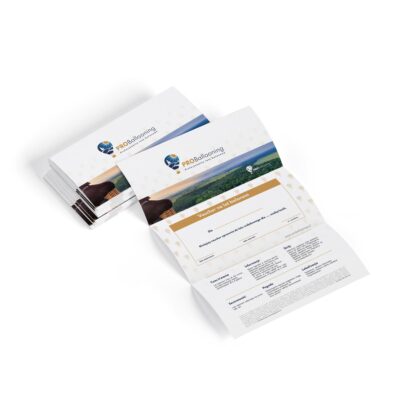
Check Gift vouchers for balloon flights in PDF at ProBallooning
Check Printed vouchers for balloon flights as gifts at ProBallooning
How a senior should prepare for a balloon flight in Poland
Good physical and logistical preparation makes a balloon flight a pleasant experience. A few simple rules are enough to feel comfortable and safe throughout the entire adventure.
Physical requirements for entering the balloon basket
The balloon basket has a wall height of 110 to 120 centimeters. Entering requires lifting your leg independently and stepping into a special foothold in the side of the basket. The entire movement is like climbing a ladder and requires agility in the legs and arms.
A senior should check if they are able to stand for 45 to 90 minutes without the need to sit down. The basket does not have seats. A lack of this ability is a real contraindication to participating in a standard flight. Before booking, it is a good idea to test climbing over an obstacle of a similar height.
Appropriate clothing, footwear, and thermal comfort during the flight
Attire for a balloon flight should be comfortable and adapted to weather conditions. The temperature at an altitude of several hundred meters is usually 2 to 5 degrees lower than on the ground. Morning flights are particularly chilly, so it is worth having a fleece or a light jacket with you.
Shoes with closed toes and a solid sole are essential. Sandals, flip-flops, and high heels are inappropriate. Landing often takes place on uneven terrain, fields, or meadows. Stable footwear protects the ankles and reduces the risk of falling when exiting the basket.
Basic attire and equipment for a balloon flight
- Long sports or trekking pants
- Comfortable long-sleeved shirt
- Fleece or light windbreaker jacket
- Sturdy, closed-toe shoes with flat soles
- Baseball cap to protect against sunlight and heat from the burners
Loose clothing items can get caught on equipment in the basket. Scarves, long bag straps, and dangling accessories should be tucked away or left with the ground crew vehicle. Safety in the basket depends on what you are wearing.
Choosing a reputable balloon company and a certified pilot
Choosing a balloon company is one of the most important decisions. A certified balloon pilot must hold a valid license in accordance with European Union Regulation No. 2018/395. The pilot’s documents and the balloon’s airworthiness certificates should be available upon the passenger’s request.
The company’s experience and reviews from previous clients are a good source of information. It is worth paying attention to how the company answers questions regarding passenger health conditions and whether they provide a detailed safety briefing before the flight. ProBallooning is an example of an operator that describes health restrictions and recommendations for older passengers in detail on its website.
A solid company cancels flights during unfavorable weather conditions without pressure from passengers. Safety is the priority, not sticking to a schedule. Seniors should avoid companies that do not ask any questions about health status during booking.
Tip: When booking, always inform the balloon company about chronic conditions and medications being taken. This will allow the pilot and ground crew to better ensure the comfort and safety of the flight.
FAQ: Frequently Asked Questions
Is there an upper age limit for seniors wanting to fly in a hot air balloon?
There is no formal, legally defined upper age limit for balloon flights in Poland. Balloon companies do not refuse participation solely based on age. There have been cases of passengers over 80 years old who have safely completed a flight.
The deciding factor is the passenger’s health and physical fitness, not their age. Key requirements include the ability to climb into the balloon basket independently, stand for 45 to 90 minutes, and bend the knees during landing. Every senior should honestly assess their own capabilities and consult with a doctor before booking.
Which chronic conditions completely exclude a senior from a balloon flight?
Uncontrolled hypertension, severe heart failure, and advanced coronary artery disease are conditions that absolutely exclude a hot air balloon flight. At an altitude of several hundred meters, atmospheric pressure is lower, which places additional strain on a weakened circulatory system. People who have had a heart attack within the last 6 months should not participate in a flight.
Serious respiratory diseases, such as severe asthma or advanced chronic obstructive pulmonary disease, also limit the ability to fly. The expansion of gases at altitude can cause discomfort or exacerbate symptoms. Every chronic illness requires an individual medical assessment rather than a general prohibition.
What is a balloon landing like and is it dangerous for a senior?
Landing is a stage of the flight that requires active participation from passengers. The pilot informs passengers about the approaching touchdown a few minutes in advance. Passengers assume a defensive position: bent knees, straight back, and a firm grip on the handles inside the basket. The basket may slide along the ground for a few seconds.
For seniors with knee, hip, or spine problems, landing carries an increased risk of injury. Strong winds make the touchdown more dynamic. The decision to fly should take into account the physical ability to safely withstand such loads.
An experienced certified balloon pilot selects a landing site that is flat and free of obstacles. A reputable company always provides a detailed briefing before the flight regarding the correct landing position.
Can a senior fly in a balloon alone without a caregiver?
A senior can participate in a balloon flight completely independently, provided they meet the physical fitness requirements. Polish aviation regulations do not impose an obligation for a caregiver to be present with elderly passengers. The company of a loved one has practical and emotional significance, but it is not a formal requirement.
The presence of a flight companion can be helpful when entering the basket, carrying warm clothing, and reacting to unexpected situations. The pilot and ground crew provide assistance with boarding and disembarking. Before booking, it is worth informing the company about any mobility limitations so that the team can prepare appropriate support.
Summary
A balloon flight for a senior is possible and safe, provided that their state of health allows it. Age itself is not a barrier. Key roles are played by: physical mobility, the absence of serious cardiac and respiratory conditions, and a reliable medical consultation before the flight. Statistics show that the safety of balloon flights is constantly increasing, and the industry is subject to rigorous EU standards and technical inspections.
Proper preparation, appropriate clothing, and choosing a certified operator are the three pillars of a successful flight. A senior who has taken care of medical examinations, knows their limitations, and has chosen a reliable company can safely and confidently enjoy the views from the balloon basket.
Sources:
- https://ulc.gov.pl/operacje-lotnicze/zezwolenia-zgloszenia-oswiadczenia-i-lotnictwo-ogolne/lotnictwo-ogolne
- https://edziennik.ulc.gov.pl/DU_ULC/2020/40/akt.pdf
- https://www.legislation.gov.uk/eur/2018/395/body/adopted
- https://www.atsb.gov.au/sites/default/files/2025-11/AS-2023-002%20Final.pdf
- https://www.atsb.gov.au/media/news-items/2025/accurate-weather-assessment-critical-reducing-risk-commercial-ballooning-passenger-injuries/
- https://pl.wikipedia.org/wiki/Spirometria
- https://pl.wikipedia.org/wiki/Nadci%C5%9Bnienie_t%C4%99tnicze
- https://www.mp.pl/pacjent/badania_zabiegi/152094,elektrokardiografia-ekg
- https://www.mp.pl/pacjent/badania_zabiegi/68602,spirometria