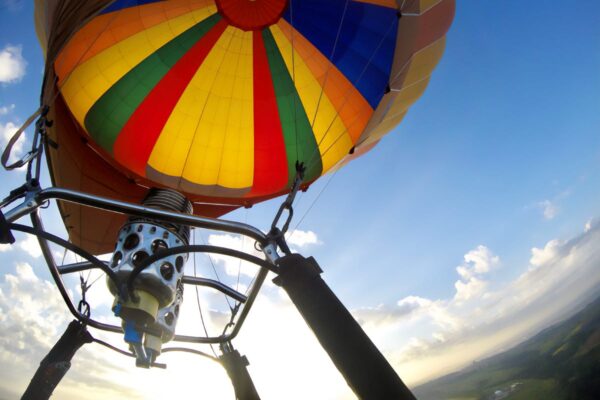
Hot air ballooning attracts many adventure enthusiasts and those seeking unforgettable experiences. The gentle ascent above the ground offers a unique experience. However, safety requires a health assessment before booking. Certain medical conditions can pose life-threatening risks during such a trip.
Changes in atmospheric pressure significantly affect the human body. The altitude reached during a balloon flight rarely exceeds 500 meters above ground level. Even a slight elevation causes physiological reactions in the body. People with certain health issues may experience discomfort even at low altitudes. A sudden landing poses an additional risk to passengers.
Balloon flight organizers deny participation to some individuals for safety reasons. These decisions protect both the participants and other passengers in the basket. A medical consultation helps determine readiness for the aerial journey. Awareness of contraindications prevents serious health complications.
Circulatory system conditions excluding balloon flight
Heart and blood vessel diseases are among the most common medical contraindications. Reduced atmospheric pressure at altitude significantly strains the circulatory system. The body must adapt to lower oxygen concentration in the air. People with cardiac disorders may not cope with such a challenge. Stress related to the flight further increases heart strain.
Decompensated heart failure and recent myocardial infarction
Heart failure in an acute phase completely excludes participation in the flight. A weakened heart does not pump blood efficiently through vessels. Reduced partial oxygen pressure at altitude worsens the patient’s condition. Shortness of breath and chest pain may occur during balloon ascent.
A recent myocardial infarction requires at least three months of recovery. The heart needs time to heal damaged heart muscle tissue. Physical exertion and stress can trigger another ischemic episode. Doctors recommend waiting for full rehabilitation before any travel.
Cardiology examinations indicate the following exclusion periods for flight:
- Myocardial infarction — minimum 3 months from the event
- Coronary angioplasty — at least 2 weeks after the procedure
- Aorto-coronary bypass surgery — minimum 6 weeks from surgery
- Unstable angina pectoris — complete exclusion until condition stabilizes
Individuals who have had a heart attack should obtain cardiologist approval before booking. An EKG test and stress test determine readiness for physical strain. Stable coronary artery disease under medication control allows consideration of flight. However, safety requires individual evaluation of each case by a specialist.
Severe hypertension and unstable coronary artery disease
Uncontrolled hypertension poses a serious threat during balloon flights. Values exceeding 160/100 mmHg increase the risk of cardiac and cerebral complications. Altitude changes can cause sudden rises in vascular pressure. Intracerebral hemorrhage or ischemic stroke represent real dangers.
Unstable coronary artery disease manifests as pain at rest or with minimal exertion. Slight physical activity triggers chest discomfort. Balloon flight engages the circulatory system similarly to moderate physical activity. Patients with such symptoms should remain on the ground until stabilization.
Medications used in hypertension therapy require regular intake at specific times. Passengers must bring their medications for the entire balloon trip. Temperature fluctuations can affect the efficacy of some pharmaceuticals. Consulting a doctor allows for dosage adjustments before the planned flight.
The Impact of Anticoagulant Medications on the Risk of Complications in the Air
Anticoagulant drugs intentionally reduce blood clotting in patients with vascular diseases. Warfarin and newer medications protect against venous thrombosis and pulmonary artery embolism. Traveling to altitude increases the risk of thrombosis two to three times. Altitude and immobilization in a tight basket amplify this risk.
A rough landing can cause bruises and contusions on the passenger’s body. Individuals taking anticoagulants are more susceptible to internal bleeding. Even minor injuries can lead to serious subcutaneous hemorrhages. Lack of quick access to medical assistance increases the danger of complications.
Groups of anticoagulant medications requiring special caution:
- Oral anticoagulants — warfarin, acenocoumarol
- New oral anticoagulants — dabigatran, rivaroxaban, apixaban
- Antiplatelet drugs — acetylsalicylic acid, clopidogrel
- Low molecular weight heparins — enoxaparin, nadroparin
Patients should discuss with their doctor the possibility of temporarily discontinuing anticoagulant therapy. Certain clinical situations allow for short-term suspension of anticoagulant medications. Monitoring coagulation parameters requires regular blood tests. The decision to fly in a balloon must consider all bleeding risk factors.
Tip: Before flying, consult a cardiologist and bring all prescribed medications in their original packaging with current prescriptions.
Why Pregnant Women Cannot Fly in Balloons
Pregnancy is an absolute contraindication for balloon flights worldwide. All companies organizing such trips refuse to accept expectant mothers. The safety of the mother and developing child is the highest priority. The risks associated with flight outweigh any potential benefits from experiencing such an adventure.
Pregnancy hormones affect the elasticity of ligaments and joints in women. Increased joint mobility can lead to sprains during landing. The body’s center of gravity shifts forward due to the growing abdomen. Maintaining balance in the balloon basket becomes more difficult each week of pregnancy. The risk of falling increases proportionally with belly size and pregnancy progression.
Risk of a Hard Landing for the Mother and Developing Fetus
Balloon landings can be unpredictable and abrupt due to changing winds. Even experienced pilots do not always control the descent speed in the final meters. The wind changes intensity in the last seconds above the ground without warning. The basket can hit the surface with great force causing a jolt.
Impacts and jolts during landing pose a threat to pregnancy at every stage of development. The placenta can detach from the uterine wall with a strong jerk. Internal bleeding poses a direct danger to both fetus and mother. Women in every trimester are at risk of serious obstetric complications.
The balloon sometimes tips over on its side after touching down due to a strong gust. Passengers must hold tightly to the ropes and assume a safe crouching position. The need to bend knees and crouch is difficult for pregnant women. The abdomen hinders quick response to the balloon pilot’s commands.
Negative Impact of Pressure Changes on Blood Flow Through the Placenta
Altitude gradually changes atmospheric pressure as the balloon rises above the ground. Every eight meters of altitude causes a one-hectopascal drop in pressure. Although balloons rarely exceed 500 meters, the change is noticeable to the body. A pregnant woman’s body reacts more intensely to fluctuations due to double strain.
Reduced partial oxygen pressure negatively affects blood flow through the placenta. The fetus receives less oxygen during the several dozen minutes of balloon flight. Studies show a link between prolonged exposure and restricted intrauterine fetal growth. Even short flights can cause hypoxia in sensitive pregnancy cases.
Preeclampsia worsens under conditions of lowered atmospheric pressure. The risk of pregnancy-induced hypertension increases during exposure above sea level altitude. Women with pregnancy complications are especially vulnerable to deterioration. Avoiding balloon flights protects against serious health consequences for mother and child.
Lack of Possibility for Rapid Medical Evacuation in Emergencies
A balloon flight usually lasts from 45 minutes to an hour. The balloon cannot turn back or accelerate on demand by passenger or pilot. The pilot must find a safe landing spot in open terrain. Medical rescue requires time and suitable weather conditions favorable for action.
Pregnancy complications require immediate medical intervention at a gynecological hospital. Bleeding or premature labor needs professional care quickly and efficiently. A rescue helicopter cannot always reach remote agricultural areas. Waiting time for help may prove critical for fetal health.
The balloon basket does not provide conditions for obstetric first aid. Lack of space and stable surface prevents effective rescue efforts. Positioning the woman safely is impossible in the cramped basket space. Other passengers may experience panic in life-threatening situations.
Limited space in the basket making it difficult to assume a safe position
Balloon baskets are about 100 to 120 centimeters high from the bottom. The lack of seats forces standing throughout the entire flight without the possibility of resting. Passengers stand tightly next to each other without the freedom to change positions. The space does not allow sitting or lying down during the trip.
A pregnant woman needs frequent position changes for comfort and blood circulation. Prolonged standing causes leg swelling and back muscle fatigue. The inability to rest significantly increases discomfort during the balloon flight. Pressure on the iliac veins worsens circulation in the lower limbs and pelvis.
Physical requirements during a balloon flight:
- Entering the basket over a high edge of about 100 cm
- Standing continuously for 45 to 60 minutes
- Assuming a crouching position during landing
- Holding firmly onto ropes in the basket during turbulence
- Exiting the basket independently after landing
Entering the basket requires lifting a leg over the high edge of the side. The height of about one meter poses a challenge for women with a pregnant belly. The assistance team cannot always effectively help expectant mothers when entering. Exiting after landing can be even more difficult due to physical fatigue.
Tip: Women planning a balloon flight should wait at least three months after childbirth and finishing breastfeeding before booking.
Respiratory system problems as a contraindication for aerial travel
Lung and respiratory tract diseases require special attention before a balloon flight. Changes in atmospheric pressure directly affect the body’s respiratory function. People with chronic illnesses may experience worsening symptoms at altitude. Risk assessment by a pulmonology specialist is necessary before making a decision.
Asthma and chronic lung diseases under conditions of altered atmospheric pressure
Bronchial asthma reacts sensitively to changes in pressure and air temperature. Rising to altitude reduces oxygen concentration in inhaled air. Asthma patients may experience shortness of breath and chest tightness. Bronchospasm can occur suddenly without clear warning signs.
Chronic obstructive pulmonary disease significantly limits gas exchange in lung alveoli. COPD patients already have reduced blood oxygenation at sea level. Altitude worsens their condition by further decreasing available atmospheric oxygen. Cyanosis and respiratory fatigue may occur during flight above ground.
Cold air in upper atmospheric layers irritates patients’ airways. Asthmatics often respond with bronchospasm to sudden temperature changes in their environment. Propane used to heat air inside the balloon can additionally irritate mucous membranes. People with severe asthma should consider refraining from flying.
The presence of airborne allergens that may trigger an asthma attack
Plant pollen floats at various altitudes depending on the season. In spring and summer, allergen concentrations in the air are highest during daytime. Balloon flights usually take place at dawn under calm weather conditions. Pollen then reaches middle atmospheric layers above fields and meadows.
Molds and fungal spores are present in the moist morning air. Mornings after rain promote the spread of fungal allergens in the atmosphere. Allergic individuals may experience an increase in allergy symptoms during exposure. Sneezing and watery eyes make it difficult to enjoy the balloon views.
Airborne allergens present during balloon flights:
- Grass and cereal pollens — June to August
- Tree pollens — April to May
- Fungal spores — after rains and on damp mornings
- Weed pollens — July to September
House dust mites do not pose a problem in open atmospheric spaces. Animal allergens also do not occur during balloon flights over agricultural areas. Allergic reactions during the trip mainly concern pollens and atmospheric molds. Knowing the pollen calendar helps choose a safe flight date for allergy sufferers.
The necessity of preparing emergency medications before a planned flight
Short-acting inhalers must be easily accessible during the flight in a clothing pocket. Salbutamol or other bronchodilators work within minutes after inhalation. Passengers with asthma should always have their medication in their jacket pocket. Leaving the inhaler in a bag left in the car is dangerous.
Inhaled steroid medications control chronic inflammation in the airways. Regular use before the flight reduces the risk of an asthma attack during the trip. Missing a dose on the day of the trip can trigger worsening asthma symptoms. The treatment plan should be continued without changes throughout.
People with severe asthma may need oral corticosteroids to control symptoms. Prednisone or prednisolone provide additional protection against bronchospasm attacks. A doctor may recommend increasing the dose several days before the balloon flight. Having enough medication for the entire trip eliminates the risk of no access to a pharmacy.
Tip: Bring double doses of all respiratory medications in case of trip extension and always check the inhaler’s expiration date before departure.
Mental and physical disorders limiting flight safety
Mental state and physical fitness are crucial during a balloon flight. The balloon basket requires balance and motor coordination throughout its duration. Passengers must follow pilot instructions quickly and precisely without hesitation. Certain conditions prevent safe participation in an aerial adventure above ground.
Fear of heights and other phobias that can cause panic at high altitude
Acrophobia affects a significant portion of the population with varying severity of symptoms. Fear of heights manifests as dizziness and accelerated heartbeat. The balloon flight begins slowly and calmly through gradual inflation of the envelope. Some passengers feel relief due to lack of direct connection with the ground.
A flight at 500 meters eliminates visual contact with the ground and terrain details. The brain does not process threat levels as it does on an observation tower or cliff. The open basket and wide horizon help many people overcome fear of heights. Deep breathing and relaxation techniques support emotional control during ascent.
A strong phobia can, however, trigger a panic attack during flight over the ground. Sudden fear causes trembling, sweating, and a feeling of breathlessness in the passenger. Attempting to exit the basket while in the air poses a danger to everyone present. Individuals with intense anxiety should begin behavioral therapy before booking a ticket.
Balance problems and musculoskeletal disorders that hinder staying in the basket
Inner ear diseases affect the ability to maintain an upright body position in space. Dizziness and a spinning sensation appear without warning in the patient. The balloon basket moves smoothly and steadily for most of the flight. However, landing can cause sudden jolts and tilting of the balloon basket.
People with spinal problems may experience pain during prolonged standing in one position. Knee and hip disorders limit the ability to bend the legs quickly. The protective position during landing requires squatting and holding onto ropes tightly. Lack of fitness exposes the passenger to injuries during impact with the ground.
Advanced osteoporosis increases the risk of fractures from minor injuries and falls. Bones weakened by the disease break more easily upon impact with edges. A rough landing can cause compression fractures of vertebrae or ribs. Individuals with advanced conditions should avoid activities that mechanically stress the skeleton.
Requirements for independently entering the balloon and standing for an hour
The edge of the basket is approximately 100 to 120 centimeters above the ground. Passengers must lift their leg over the side without assistance from stairs or steps. The ground crew provides stabilization and support while entering. Independently raising a leg to the required height is necessary for safe entry.
Standing without support for 45 to 60 minutes requires physical endurance. The lack of seats and rest opportunities exhausts weakened or elderly individuals. Leg and back pain intensify as flight time progresses. Passengers with limited mobility may not be able to endure standing for the entire duration.
| Physical Requirement | Description | Difficulty Level |
|---|---|---|
| Entering the Basket | Passing the leg over the 100-120 cm edge | Medium |
| Continuous Standing | No seating for 45-60 minutes | Medium to High |
| Landing Position | Crouching and holding ropes | High |
| Exiting After Landing | Leaving the basket after impact | Medium |
Wheelchairs and walkers do not fit in the balloon basket due to limited space. A cane can be dangerous during turbulence and landing because of the risk of injury. Assistance from an assistant is also difficult in the tight space between passengers. People requiring constant physical support cannot safely participate in the flight.
Tip: Try standing for an hour at home a week before the flight to realistically assess your physical endurance.
Professional Balloon Flights with ProBallooning
ProBallooning is a company specializing in organizing professional balloon flights in Poland. The team offers a wide range of aerial adventures tailored to the individual expectations of each participant. The brand combines a modern approach with many years of ballooning tradition, creating a unique atmosphere during every flight.
Experienced ProBallooning pilots are certified specialists with impressive credentials and a passion for flying. Before each takeoff, participants undergo detailed safety training, and all equipment is carefully inspected. This ensures that every flight is comfortable, safe, and memorable for a long time.
Various Types of Balloon Flights
The ProBallooning offer includes numerous options for different occasions and preferences. Scenic flights allow you to admire the beauty of landscapes from above, providing experiences incomparable to any other form of travel. Regular group flights are an excellent opportunity to meet new people who share a common passion for ballooning.
For those seeking privacy, private flights combine comfort with exclusivity. Clients can choose their own departure location and plan the flight route according to their expectations. This is an ideal option for romantic moments, anniversaries, or special events.
Families with children can opt for family flights, which create memories for a lifetime. Sharing the flight experience strengthens bonds and provides plenty of excitement. For couples planning a special moment, engagement flights offer a romantic setting and peaceful flight that add charm to this special occasion. The ProBallooning team ensures discretion and personalized attention for every celebration.
The full ProBallooning service includes :
- Technical inspection of the equipment and a brief safety training.
- About an hour of flight over the picturesque areas of the region.
- Refreshments and a symbolic toast after landing.
- Traditional balloon baptism.
- A commemorative aeronaut certificate.
- Return transport to the meeting point.
The entire event lasts from 3 to 4 hours, covering every stage of the adventure. Flights take place at sunrise or sunset to ensure the best viewing conditions. The priority is always the complete safety of participants.
Customer Reviews and Service Standards
ProBallooning enjoys an excellent reputation among its customers. Flight participants emphasize the professionalism of the crew, efficient organization, and friendly atmosphere. In numerous reviews, words of praise are repeated for perfect preparation and unforgettable emotions accompanying each flight.
Customers especially appreciate attention to detail, individual approach, and the warmth of the pilots. Every flight with ProBallooning is more than just an aerial journey – it is a unique story and emotions that remain in memory.
When Medical Consultation Is Necessary Before Booking a Flight
Many medical conditions require individual assessment by a healthcare specialist before making a decision. Age and health status determine the risk of complications during a balloon flight. Check-ups confirm the body’s readiness for such a physical challenge. A conversation with a doctor eliminates uncertainty and significantly increases the safety of the trip.
Elderly Individuals with Chronic Diseases Requiring Individual Risk Assessment
Passengers over 65 years old often take multiple medications daily. Diabetes, hypertension, and heart diseases occur more frequently in senior groups. Compensation for these conditions through pharmacotherapy allows normal functioning in daily life. However, balloon flight poses an additional strain on a weakened, aging body.
The primary care physician knows the patient’s medical history and current condition best. Cardiovascular fitness assessment requires resting ECG examination in the office. A stress test shows how the heart responds to increased oxygen demand by tissues. Stable results allow consideration of participation in an open-area balloon flight.
Neurological diseases such as Parkinson’s disease affect balance and motor coordination. Assessment of disease progression determines the possibility of safe balloon flight. Patients in early stages may participate with appropriate team support. Advanced cases require abstaining due to risk of falling from the basket.
Recommended Check-Ups to Ensure Safe Participation
Blood pressure measurement confirms regular control of hypertension with hypotensive medications. Values below 140/90 mmHg indicate good circulation parameter control. Unstable blood pressure requires therapy optimization before planning a balloon flight. Measurements over several consecutive days provide a reliable picture of the patient’s clinical situation.
Blood sugar testing is crucial for diabetics planning a flight. Hypoglycemia during the flight can lead to loss of consciousness in the air. Fasting blood glucose and glycated hemoglobin determine the compensation of the metabolic disease. Well-controlled diabetes is not a contraindication to flying over land.
Spirometry assesses lung function in people with chronic respiratory diseases. Measuring FEV1 and FVC accurately shows the degree of airway obstruction. Values below 50 percent of normal indicate severe impairment of lung ventilation. Patients with such results should consider refraining from balloon flight.
Preparing appropriate medications for the entire duration of the balloon flight
The entire balloon trip takes three to four hours in total. The time includes preparations, flight, and packing equipment after landing in a field. Medications taken at fixed times of day must be available in a pocket. A delayed dose can cause worsening control of a chronic disease.
People with epilepsy should have an additional dose of anticonvulsant medication if needed. Stress and pressure changes can trigger seizures in sensitive neurological patients. Informing the pilot about the illness allows for quick response in a crisis situation. Regular medication intake significantly minimizes the risk of seizures during the flight.
Medications necessary to bring during the balloon flight:
- Emergency medications — inhalers, sublingual nitroglycerin, glucose
- Chronic medications — for hypertension, diabetes, epilepsy
- Glucose meter and strips — for diabetics monitoring blood sugar
- Medical documentation — list of medications and chronic conditions
Glucose meters and test strips allow diabetics to monitor blood sugar levels in real time. Quickly absorbed carbohydrates protect against hypoglycemia in case of sugar drop. Fruit juice or glucose tablets take up little space in a jacket pocket. Passengers should eat a light meal before takeoff to stabilize blood sugar levels.
Tip: Create a list of all medications taken with exact doses and times, and inform the flight organizer about chronic conditions in writing.
Summary
A balloon flight requires good health and physical fitness from all participants. Cardiovascular diseases are the most serious contraindication to participation in the trip. Pregnancy completely excludes women due to risks to both mother and fetus. Respiratory diseases require preparation of emergency medications and medical consultation before booking.
Elderly people with chronic diseases need an individual risk assessment by a specialist. Control tests confirm the body’s readiness for such physical challenges. Mobility and ability to stand for an hour are necessary for a safe flight. Preparing appropriate medications eliminates the risk of complications during flights over land.
The safety of passengers is the highest priority for balloon flight organizers. Honest communication about health status protects against dangerous situations in the air. Consultation with a family doctor or specialist clears doubts before booking. A responsible approach to medical contraindications allows enjoying ballooning without life-threatening risks.
Sources:
- https://proballooning.com/en/contraindications-to-balloon-flight/
- https://proballooning.com/en/what-are-the-health-restrictions-for-balloon-passengers/
- https://proballooning.com/jakie-sa-ograniczenia-zdrowotne-dla-pasazerow-balonu/
- https://proballooning.com/przeciwwskazania-do-lotu-balonem/
- https://pmc.ncbi.nlm.nih.gov/articles/PMC6490424/
- https://pmc.ncbi.nlm.nih.gov/articles/PMC10092947/
- https://pubmed.ncbi.nlm.nih.gov/26186419/
- https://academic.oup.com/jtm/article/17/1/48/1879873
- https://www.heart.org/en/news/2021/09/09/travel-to-high-altitudes-could-be-dangerous-for-people-with-heart-conditions
- https://asma.org/wp-content/uploads/2025/08/BCS-FITNESS-TO-FLY-REPORT.pdf