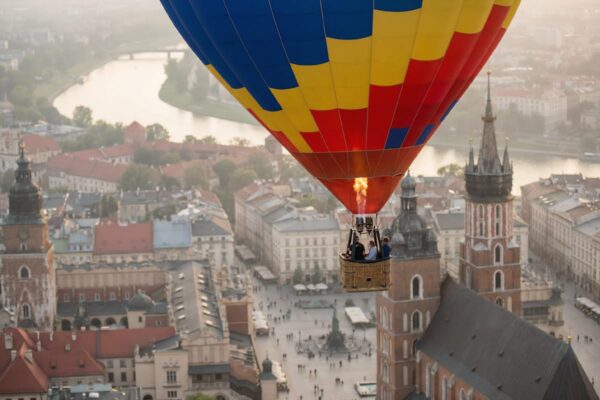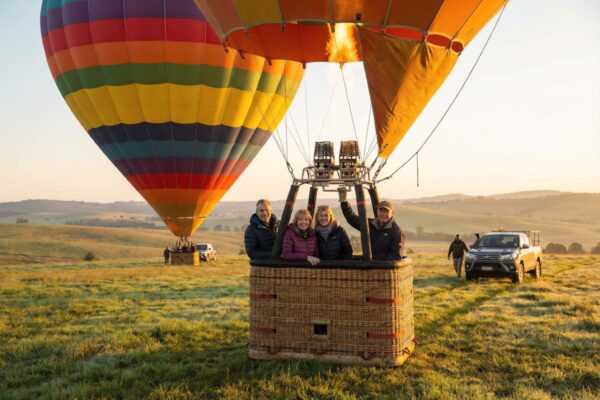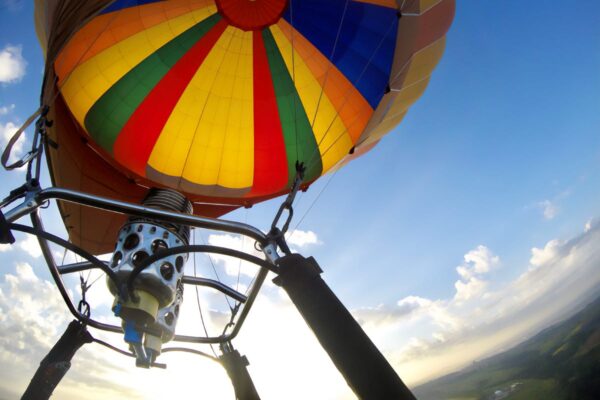

Hot air balloon flight is an extraordinary experience that can evoke intense emotions. Some participants feel strong stress or sudden fear right after takeoff, which naturally raises the question of the possibility of safely aborting the flight. Interrupting a balloon flight is technically possible, but it requires meeting specific safety conditions.
The decision to land earlier always belongs to the experienced pilot. They assess the current situation, the passenger’s condition, and weather conditions. Participant safety is the highest priority during every flight. Professional operators have proven procedures for handling emergency situations.
Understanding technical possibilities and safety procedures helps reduce anxiety before the flight. Knowledge of ways to cope with fear increases participants’ psychological comfort. Mental preparation and open communication with the pilot play a key role in a positive flying experience.
Technical possibilities for landing a balloon before the planned time
An emergency balloon landing requires precise control of many technical parameters. The pilot uses known physical laws to safely bring the vehicle to the ground. The balloon does not have a propulsion engine, which limits maneuverability compared to other aircraft. Control is achieved solely by regulating the temperature of the air inside the envelope.
The process of emergency flight termination begins with assessing the terrain below. The pilot must locate a suitable place for a safe landing. Then they gradually lower the air temperature, causing a controlled descent. The rate of descent is regulated by adjusting the burner flame and using the vent valve.
How the pilot controls balloon altitude and descent speed
The main control tool is a propane burner generating hot air. Increasing flame intensity causes the balloon to rise. Reducing heating or turning it off completely leads to descent. The parachute valve, located at the top of the envelope, allows quick release of hot air.
Altitude control techniques include several methods:
- Continuous heating of air to maintain a constant flight level
- Pulsed use of the burner for fine altitude adjustments
- Gradual temperature reduction for controlled descent
- Abrupt opening of the parachute valve in critical situations
- Utilizing differences in wind speed at various altitudes
The pilot monitors descent speed using instruments in the gondola. The variometer indicates rate of altitude change in meters per second. The barometric altimeter shows current height above sea level. GPS provides information on horizontal speed and exact geographic position.
How Much Time Is Needed for a Safe Emergency Landing
The time required for a safe emergency landing depends on the current flight altitude. From a typical cruising altitude of 300-600 meters, the process usually takes 5-10 minutes. The pilot cannot perform an immediate rapid descent without risking loss of control. Descending too quickly causes dangerous gondola swinging and makes precise maneuvering difficult.
The standard controlled descent procedure begins with informing passengers about the situation. The pilot provides clear instructions regarding body position during landing. Then, the pilot gradually reduces the air temperature in the envelope while monitoring the descent speed. In the final phase, at an altitude of 10-20 meters, final trajectory corrections are made.
During an emergency landing, contact with the ground may be harder than during a normal touchdown. Passengers should adopt a protective position with knees slightly bent. Holding onto the gondola handles prevents falls upon impact. After first contact with the ground, the balloon may bounce or slide several times along the surface.
What Weather and Terrain Conditions Must Be Met for an Early Landing
Meteorological conditions are a key safety factor for early landing. Wind speed near the ground should not exceed 5-7 meters per second. Stronger winds cause uncontrolled movement of the gondola along the ground after touchdown. This can lead to basket overturning and passengers being ejected.
Atmospheric visibility must allow the pilot to assess terrain from above. Fog, heavy rain, or low cloud cover hinder obstacle recognition. Storms and strong thermals completely exclude safe landing possibilities. The pilot monitors weather forecasts and uses radio communication with the ground crew to obtain current data.
Landing terrain requirements:
- Open space of at least 100 × 100 meters
- Flat or gently sloping surface without steep inclines
- No power lines within a safe approach radius
- No tall trees, buildings, or other vertical obstacles
- Stable ground, free from deep ditches or water bodies
Agricultural fields generally provide safe landing spots outside of harvest season. Meadows and pastures are suitable if no livestock is present. The pilot avoids built-up areas due to dense obstacles and potential risks to people.
Is Every Location Suitable for an Immediate Flight Termination?
Not all locations meet criteria for a safe balloon landing site. Forested areas exclude touchdown possibilities due to tall trees. Landing in tree canopies risks envelope damage and trapping passengers at height. Similar hazards exist in densely built urban neighborhoods with networks of electrical wires.
Public roads theoretically offer open space, but vehicle traffic creates additional risk. A pilot may consider landing on a road only in an absolute emergency. Preferable are dirt roads and rural roads with minimal traffic. Contact with power lines poses the most serious hazard, causing electric shock and fire.
| Type of Terrain | Suitability for Landing | Main Hazards |
|---|---|---|
| Open Farmland | Very High | Seasonal Agricultural Equipment |
| Meadows and Pastures | High | Presence of Livestock |
| Forest Areas | Not Permitted | Tall Trees, Lack of Space |
| Urban Areas | Low | Power Lines, Buildings |
| Bodies of Water | Not Permitted | Drowning Risk, No Support Point |
The pilot has limited directional control during descent. They can only select different wind layers by changing the flight altitude. Each atmospheric layer is characterized by a different wind speed and direction. An experienced pilot uses this knowledge to reach the most suitable landing area.
Safety Procedures Used by Professional Pilots
Professional balloon pilots undergo comprehensive training in crisis management. Certification programs include handling passengers experiencing psychological issues during flight. Operators implement standard operating procedures to ensure the safety of all participants. Every flight is preceded by a detailed safety briefing.
The procedure system includes preventive actions taken before takeoff. The pilot assesses the physical and mental preparedness of each passenger. During the flight, proven calming communication techniques are used. If anxiety symptoms intensify, appropriate intervention steps are taken.
How Passenger Mental State Is Assessed Before Takeoff
The pre-flight interview is the first element in assessing passenger readiness. The pilot or ground staff ask questions about previous flight experiences. They gather information about fears related to heights or confined spaces. Individuals reporting severe fear of heights receive additional support and detailed safety explanations.
Observing participants’ behavior during flight preparations provides valuable information. Signs of strong tension, hand trembling, or excessive sweating indicate anxiety. The pilot pays attention to communication style and reactions to seeing the balloon. Passengers are given the option to withdraw before takeoff without financial consequences.
Pre-flight assessment elements:
- Interview about previous experiences with fear of heights
- Questions about current physical and mental condition
- Observation of reactions to seeing the balloon being inflated
- Checking whether the passenger has taken substances affecting consciousness
- Ensuring understanding of safety procedures
Some operators offer the option of a short trial flight at low altitude before the actual flight. This allows anxious individuals to assess their own reactions in safe conditions. Such practice significantly reduces the risk of panic at high altitude. The passenger can make an informed decision about continuing or canceling the flight.
What Communication Techniques Does the Pilot Use During Increasing Anxiety?
The calming communication techniques used by pilots are based on stress psychology. A calm, confident tone conveys a sense of control over the situation. The pilot maintains eye contact with the person experiencing anxiety and clearly explains what is currently happening and what actions are being taken. Transparency in procedures reduces feelings of uncertainty.
Real-time education helps to rationalize fears. The pilot explains why the balloon is stable despite the apparent lack of control. He points out the calm behavior of other passengers as a model. Directing attention to the beauty of the landscape distracts from fear. The technique of redirecting attention effectively breaks the spiral of escalating panic.
At the first signs of a panic attack, the pilot introduces breathing exercises. He instructs the person to take deep, slow breaths. The 4-7-8 method involves inhaling through the nose while counting to four. Then holding the breath for a count of seven. Exhaling through the mouth lasts until the eighth count. The cycle is repeated several times until calm is restored.
When the pilot decides to interrupt the flight for medical reasons
The decision to interrupt the flight is made when a passenger’s condition threatens safety. A severe panic attack causing loss of behavioral control constitutes a medical indication. A passenger attempting to leave the gondola in midair poses a danger to everyone. Similarly dangerous are sudden movements that could destabilize the basket.
Symptoms requiring immediate intervention:
- Seizures or loss of consciousness
- Severe chest pain suggesting a cardiac problem
- Breathing difficulties not exceeding psychological anxiety
- Total disorientation and loss of verbal contact
- Aggressive behaviors threatening other passengers
The pilot assesses the proportionality of risk related to continuing the flight versus emergency landing. If terrain and weather conditions permit, he initiates an early termination procedure for the flight. He informs other passengers about the situation discreetly. After landing, the person in crisis receives medical assistance from ground crew.
In most cases, calming techniques are sufficient to manage the situation. Statistics show that only a fraction of a percent of flights require interruption due to passengers’ psychological reasons. Experienced pilots can anticipate and prevent escalation of anxiety symptoms. A professional approach minimizes the risk of serious incidents.
Support system for passengers experiencing panic crises on board
The support system begins with engaging other passengers in assistance. The pilot asks fellow travelers to show empathy and calmness. The presence of caring people reduces feelings of isolation. Physical contact, such as holding a hand, can have a calming effect. Fellow passengers share their own experiences overcoming fear.
The gondola’s emergency equipment includes a first aid kit with basic supplies. It contains preparations for use in cases of severe psychological stress. The pilot is trained in providing pre-medical first aid. Radio communication with ground crew allows consultation with medical personnel during flight.
After landing, the person who experienced a crisis receives full support from the operator. This includes transportation to a medical facility if necessary. The airline usually offers access to counseling with a psychologist. Professional handling of crisis situations builds trust and protects the operator’s reputation. PROBallooning applies comprehensive passenger support protocols in difficult situations.
Tip: Before the flight, write down the contact phone number of a close person in an easily accessible place. The ability to quickly make a voice call to someone trusted significantly calms you during increasing anxiety.
Mental Preparation of the Passenger Before a Balloon Flight
Mental preparation for a balloon flight begins long before the day of the flight. People aware of their own fears should take specific preparatory actions. Education about the physics of flight and safety statistics helps rationalize concerns. Practicing relaxation techniques increases the ability to cope with stress.
Realistic expectations about the flying experience help avoid disappointment. Balloon flight differs significantly from traveling by airplane or other flying machines. The movement is gentle, and accelerations are minimal. The balloon rises with the wind without noticeable air rush. Understanding these specific features reduces anxiety related to the unknown.
Pre-flight Interview with the Pilot and Its Importance for Safety
A direct conversation with the pilot forms the foundation of a safe flying experience. During booking, the passenger should disclose all concerns related to the flight. Hiding mental health issues increases the risk of crisis in the air. The pilot has knowledge and tools to assist anxious individuals.
During the pre-flight interview, a trained pilot asks targeted questions. They examine history of previous experiences with anxiety-inducing situations. They inquire about medications used and chronic illnesses that may affect the flight. This information remains confidential according to data protection rules and serves solely to ensure maximum safety.
Benefits of open communication:
- The possibility to tailor the flight process to individual needs
- Preparation of additional support techniques by the pilot
- Increased crew vigilance for signs of growing discomfort
- The option to plan a lower altitude flight in case of severe anxiety
- Building a trust relationship between passenger and pilot
An honest conversation eliminates misunderstandings during the flight itself. The pilot knows what to expect and how to respond to specific behaviors. The passenger feels understood and safe, knowing their concerns are taken seriously. This mutual transparency creates a cooperative atmosphere conducive to positive emotions.
Breathing Exercises and Stress Management Techniques in the Air
Breathing techniques are the simplest and most effective tool for controlling anxiety. They can be practiced before the flight so they become natural in stressful situations. Diaphragmatic breathing involves engaging the diaphragm muscle instead of just the chest. A deep inhale causes the belly to expand, and exhale causes it to contract. This technique maximizes oxygen exchange, calming the nervous system.
The progressive muscle relaxation method combines tensing and relaxing successive muscle groups. It starts from the feet, gradually moving up to the head. Each group is tensed for five seconds, then relaxed for ten seconds. The contrast between tension and relaxation makes you aware of areas where stress is accumulated. Regular practice increases body awareness and control over physical reactions.
Visualization of positive scenarios prepares the mind for a successful flight. The person imagines a calm takeoff, beautiful views, and a smooth landing. They engage all their senses, imagining the sounds of the burner, the scent of fresh air, and the pleasant coolness on their face. This technique programs the brain for a positive experience, reducing the fear response.
What to tell the pilot about your pre-flight fears
Communicating fears should be specific and honest. The passenger should mention particular situations that trigger anxiety. Fear of heights requires a different approach than claustrophobia or fear of losing control. The pilot can then adjust communication methods and procedures to individual needs.
Information about previous panic attacks is especially important. The pilot will then recognize early signs of a crisis specific to that person. They can prepare specific intervention techniques proven effective for that passenger. Knowledge of any anti-anxiety medications taken is also important for assessing overall condition.
The passenger should clearly state whether they prefer to fly at a lower altitude. Some operators offer rides at 50-100 meters as an introduction. It is also possible to request a flight shorter than standard to gradually acclimate to the experience. Professional pilots appreciate such openness and are happy to adjust flight conditions accordingly.
Tip: Prepare a written list of your fears and questions before meeting with the pilot. Pre-flight stress can cause you to forget important issues during verbal conversation.
Balloon pilots’ experiences with crisis situations
Experienced balloon pilots encounter various emotional reactions from passengers. The aviation industry collects statistical data on incidents related to anxiety. Analyzing this information allows continuous improvement of safety procedures. Pilot training includes simulations of challenging psychological situations during flight.
The knowledge gained through years of practice reveals predictable patterns of anxious behavior. Most panic reactions occur within the first ten minutes after takeoff. Passengers get used to the sensations and gradually calm down. Delayed anxiety reactions appearing in the middle phase of flight are less common.
The most common passenger anxiety reactions according to industry statistics
Balloon operator statistics indicate that about 5 percent of passengers experience noticeable psychological discomfort. Only 1 percent require active pilot intervention beyond standard support. Full panic attacks are extremely rare, occurring in less than 0.1 percent of flights. These numbers confirm that prepared professionals effectively manage stressful situations.
The most common symptoms of anxiety during flight:
- Accelerated breathing and a feeling of shortness of breath
- Excessive sweating of the hands and forehead
- Dizziness and spatial disorientation
- Strongly gripping the gondola handles
- Avoiding looking beyond the balloon basket
Interestingly, fear of heights affects an estimated 5 percent of the population. However, many people with this phobia successfully take balloon flights. The nature of the balloon differs from being on tall buildings or edges. A stable gondola and a wide panorama create a sense of security.
Cultural differences influence how emotions are expressed during the flight. Passengers from some regions openly express fears, seeking support. Others hide their discomfort, considering it a sign of weakness. Pilots learn to recognize subtle signals regardless of verbal communication.
Stories of successful interventions during intense stress among flight participants
Experienced pilots share examples of effective emotional crisis management. In one case, a female passenger began experiencing severe anxiety minutes after takeoff. The pilot immediately introduced breathing exercises, guiding her step by step. At the same time, he lowered the flight altitude to 200 meters. Closer eye contact with the ground had a calming effect. After ten minutes, the woman regained emotional balance and completed the flight.
Another incident involved a man who suddenly felt strong dizziness. The pilot recognized symptoms of hyperventilation related to stress. He instructed him to take a seated position and focus his gaze on the horizon line. Changing the flight altitude helped avoid thermal turbulence. The passenger gradually regained comfort and successfully finished the journey.
Effective intervention techniques also include engaging other participants. The pilot asks experienced passengers to share positive emotions. The atmosphere of group support neutralizes the feeling of isolation in the anxious person. Singing together or telling stories distracts from fear. These techniques use social psychology to neutralize negative emotions.
How pilot training prepares them to handle panicked individuals
Pilot training programs include modules on aviation psychology and crisis management. Future pilots learn to recognize early signs of escalating anxiety. They practice calming communication techniques in simulated scenarios. Courses also cover basic psychological first aid for people in anxious states.
Crisis situation simulations are an integral part of pilot certification. Candidates must demonstrate the ability to simultaneously control the balloon and manage passengers. Their ability to make sound decisions under time pressure is evaluated. Examiners create realistic scenarios requiring balancing various safety priorities.
Continuous professional development requires pilots to regularly refresh their knowledge. They participate in workshops exchanging experiences with industry colleagues. They analyze difficult cases and develop improved procedures. Professional organizations publish recommendations based on the latest stress psychology research.
Have there ever been serious incidents related to passenger panic?
Serious incidents caused solely by passenger panic are extremely rare. An analysis of data from the U.S. NTSB over a 12-year period presents a different picture of the risks. Out of 78 tourist balloon accidents, ten people suffered serious injuries due to failure to follow instructions. Some of these cases resulted from panic reactions during landing.
In one documented incident, two passengers jumped out of the gondola before the landing sequence was completed. The sudden change in weight caused the pilot to lose control. The balloon abruptly rose again, leading to severe structural damage. One passenger sustained serious injuries. This case illustrates the importance of remaining calm and following the pilot’s commands.
Most balloon accidents result from pilot errors or unfavorable weather conditions. Too rapid descents, collisions with obstacles, and flying in poor weather are the main causes. Landings in difficult conditions account for 81 percent of all incidents. Passenger panic rarely constitutes an independent cause of accidents, though it can complicate their course.
Tip: Watch educational videos showing the actual course of a balloon flight before your trip. A realistic understanding of the experience reduces anxiety related to the unknown.
Professional Balloon Flights with ProBallooning
Professional balloon flights with PROBallooning combine a peaceful flight over Mazovia with very high safety standards. The company focuses on intimate flights in small gondolas, which increases comfort and a sense of space for each participant. Launches take place in picturesque areas, away from dense buildings, which promotes safe landings and beautiful views.
The offer includes scenic flights for those dreaming of their first contact with a balloon, as well as more intimate flights for couples, families, and small groups. Bookings are also possible for important life occasions such as anniversaries or relaxed team-building meetings. The entire trip—including preparation, flight, and post-landing ceremony—usually lasts several hours, providing a full sense of a complete adventure.
Professional Balloon Flights PROBallooning
The company offers professional balloon flights using well-maintained equipment, regularly inspected according to aviation requirements. Before takeoff, there is a brief safety training, and experienced pilots explain the stages of the journey. Each trip includes balloon preparation, a flight lasting about an hour, and a traditional ritual after landing.
The offer includes morning and evening flights when weather conditions are most favorable. Both individual and group flights are organized, also in the form of an elegant gift voucher. PROBallooning emphasizes that balloon flying is meant to be a calm, safe adventure, not an extreme sport.
PROBallooning Company and Pilot Experience
PROBallooning is a team of enthusiasts passionate about ballooning with extensive experience in recreational and sport flights. The lead pilot has hundreds of hours in the air, competition starts, and membership in the national team for gas balloon flights. This experience translates into smooth flight management, skillful route planning, and accurate weather assessment.
The company operates as a small organization focused on an individual approach to participants. Flights take place around several Polish cities; however, the exact takeoff location is always adjusted to wind direction and airspace zones. Before each flight, the equipment undergoes inspection, and passengers receive clear explanations about the course of the trip.
Passenger Reviews and Service Quality
Reviews on map and travel platforms indicate a very high rating for PROBallooning, close to the maximum possible score. Reviews highlight a friendly atmosphere, excellent organization, and the calm working style of pilots and staff. Participants note punctuality, good pre-flight communication, and thorough explanations of each phase of the journey.
Many reviews mention a sense of safety even among those who previously feared heights. Passengers describe the flight as calm, quiet, and very scenic, often emphasizing their desire to return for additional flights. This review profile indicates a stable, high level of service and attention to every detail of the experience.
In conclusion, those interested in a calm, professional balloon flight can learn more about PROBallooning’s services on the website, check current prices, and then contact the office to discuss dates, conditions, and receive individual consultation before booking.
Alternative Solutions for People Afraid of Flying
People with severe fear of heights can benefit from preparatory therapeutic programs. Gradual exposure to fear-inducing situations increases the chances of a positive experience. Some operators offer special options tailored to the needs of anxious passengers. Professional psychological support before deciding to fly brings measurable benefits.
Alternative approaches allow getting to know the balloon without immediately taking a full flight. Participation in ground preparations helps familiarize with the equipment. Watching other groups take off builds trust in the safety of procedures. Systematic increase in exposure leads to breaking the psychological barrier.
Introductory Low-Altitude Flights as a Way to Get Used to the Balloon
Introductory flights at heights of 50-100 meters offer a gentle introduction to the experience. The balloon stays close to the ground throughout the flight. Passengers can see detailed views of the landscape below at any time. Proximity to the ground reduces the feeling of danger associated with great height.
Short sessions lasting 15-20 minutes allow gradual tolerance building. The person experiences basic flight sensations without prolonged exposure to stress. They can assess their own reactions and make an informed decision about continuing. Many passengers book a full tourist flight after a successful trial flight.
The presence of a small group or private flight increases psychological comfort. Fewer people in the gondola provide more personal space. The pilot can devote more attention to individual needs of each participant. An intimate atmosphere encourages open communication and trust-building.
Therapeutic Programs Helping Overcome Fear of Heights Before Booking
Cognitive-behavioral therapy is the most effective method for treating acrophobia. The therapist helps recognize and change irrational beliefs about heights. Working on thinking patterns gradually reduces the intensity of anxiety reactions. The program usually lasts from several weeks to several months depending on symptom severity.
Exposure therapy involves controlled gradual contact with fear-inducing situations. It starts with watching photos and videos of balloon flights. Then it includes visits to launch sites and observing balloon inflation. Virtual reality offers a safe environment for practice before an actual flight.
Stages of exposure therapy:
- Watching video materials from flights from a passenger’s perspective
- Visiting the operator’s base and talking with the pilot
- Participating in ground preparations of the balloon
- A short stay in the gondola during envelope inflation
- A trial flight at minimal altitude with an option to stop
Some centers offer specialized programs combining therapy with real flight experience. A psychologist accompanies the group during the flight, providing real-time support. Combining theoretical knowledge with practical experience accelerates the therapeutic process. The effectiveness of this approach reaches 70-80 percent in significantly reducing symptoms.
The Presence of a Companion and Its Impact on the Sense of Security
The presence of a close person during the flight significantly affects the level of anxiety. A partner, family member, or friend provides emotional support in a stressful situation. Physical closeness to a trusted person activates calming mechanisms in the nervous system. The ability to hold hands or hug reduces emotional isolation.
The accompanying person should be emotionally stable and confident. Their calm behavior serves as a model for the anxious individual. Sharing extraordinary views and experiences creates positive memories. Sharing the experience strengthens interpersonal bonds and builds a shared history.
Some operators offer discounts for couples or small family groups. The cost of the flight spread over more people becomes more financially accessible. Booking a private balloon for a closed group eliminates the presence of strangers. This option is especially appealing to those who value privacy and intimacy of the experience.
Tip: If you plan to fly with someone experiencing anxiety, maintain maximum calm throughout the entire flight. Your confidence and positive attitude directly influence your companion’s emotional state.
Summary
Interrupting a balloon flight in case of severe passenger stress is technically possible, though it requires meeting certain conditions. The pilot assesses the situation comprehensively, considering the condition of the anxious person, weather conditions, and availability of safe landing terrain. Professional operators have proven procedures for managing emotional crises on board. Most stressful situations can be controlled using breathing techniques, calming communication, and adjusting flight parameters.
Honest communication between passenger and pilot before takeoff is crucial. Revealing fears related to height or space allows for appropriate support preparation. People aware of their fears should consider therapeutic programs or trial flights at low altitude. Statistics show that serious incidents caused solely by passenger panic are extremely rare. Professional pilot training and modern safety procedures minimize risk.
A balloon flight remains one of the safest and most spectacular ways to experience a bird’s-eye view. Proper mental preparation, realistic expectations, and trust in the pilot’s experience form the foundation for a positive experience. For those struggling with fear of heights, alternative paths for gradually acclimating to flying experiences are available. Professional operators such as PROBallooning offer comprehensive support enabling safe and unforgettable adventures aboard a balloon.
Sources:
- https://pmc.ncbi.nlm.nih.gov/articles/PMC4888601/
- https://pubmed.ncbi.nlm.nih.gov/9533500/
- https://pubmed.ncbi.nlm.nih.gov/24279231/
- https://stacks.cdc.gov/view/cdc/39784
- https://www.caa.co.uk/media/v0dg54zr/20110217ssl16.pdf
- https://www.caa.co.uk/our-work/publications/documents/content/safety-sense-leaflet-16/
- https://www.faa.gov/sites/faa.gov/files/regulations_policies/handbooks_manuals/aviation/FAA-H-8083-11.pdf
- https://www.faa.gov/regulations_policies/handbooks_manuals/aviation/Balloon_Flying_Handbook
- https://www.easa.europa.eu/sites/default/files/dfu/Balloon%20Rule%20Book.pdf
- https://www.ecfr.gov/current/title-14/chapter-I/subchapter-C/part-31
- https://jamanetwork.com/journals/jama/article-abstract/187389
- https://pmc.ncbi.nlm.nih.gov/articles/PMC8534305/
- https://en.wikipedia.org/wiki/Hot_air_balloon
- https://en.wikipedia.org/wiki/Aerophobia
- https://pl.wikipedia.org/wiki/Balon_na_ogrzane_powietrze
- https://pl.wikipedia.org/wiki/L%C4%99k_wysoko%C5%9Bci